


Lab Diamonds vs. Natural - What do the Experts Say?
We'll mail you a free ring sizer that's unisex and reusable so you can easily find the exact size that's most comfortable for you. All you have to do is wrap our sizer around the finger you'd like to measure and adjust it to the size that feels right. The perfect size will be snug enough not to slip off but loose enough to slide over the knuckle without too much resistance.
Lab Diamonds vs. "Real" Diamonds - What are the Differences?
The differences between Natural Diamonds and Lab Grown Diamonds cannot be seen with the naked eye. Natural Diamonds have tiny amounts of nitrogen, while Lab Grown Diamonds have no nitrogen. This is actually one of the signifiers gemologists use to identify if a diamond is lab grown or natural.
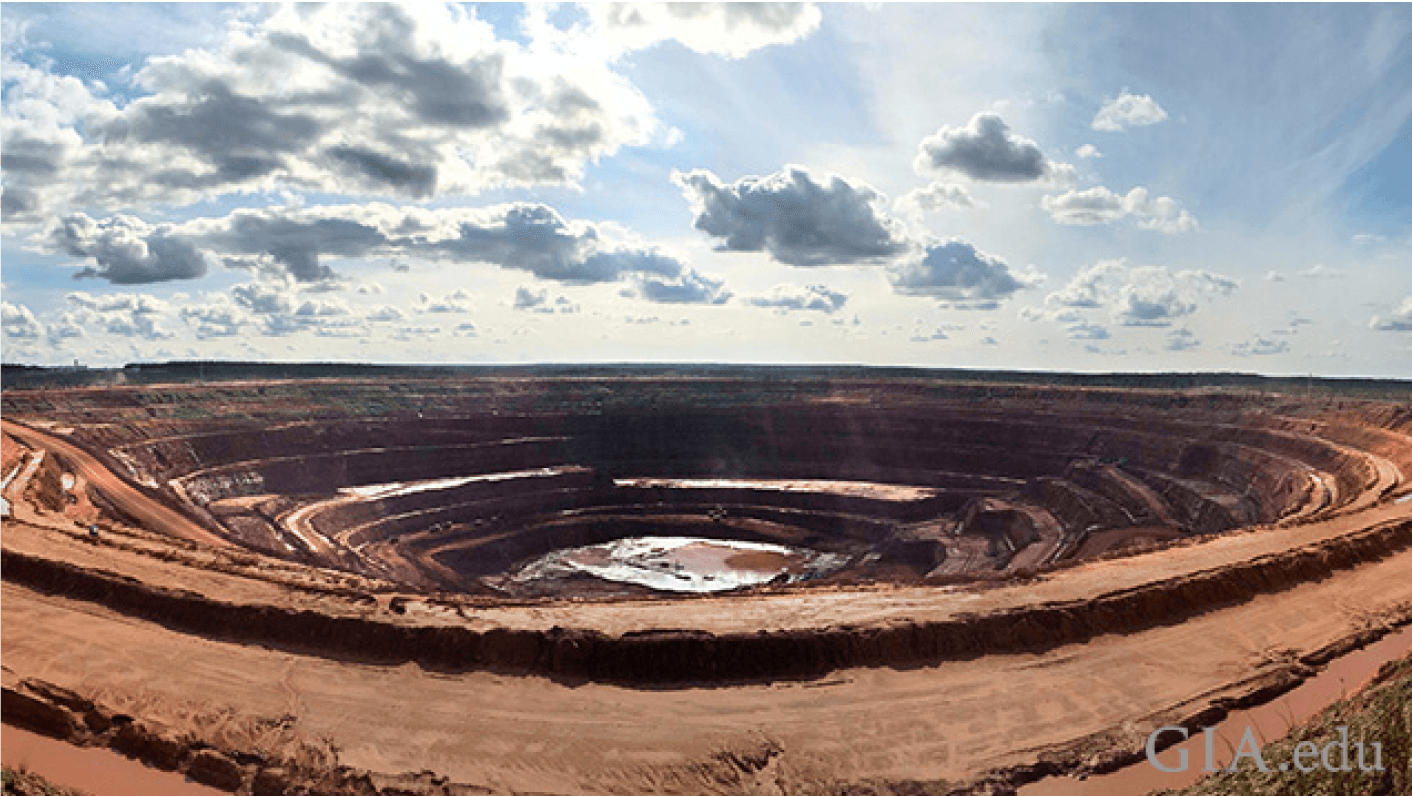
Natural diamonds are created under the pressure of earth's crust over millions of years, then they are mined, cut and polished. A Lab Grown Diamond is placed through the same circumstances, only in a lab setting. In fact, the process used to create a Lab Grown Diamond cuts down the grow time significantly, from millions of years to a couple of months. Then, the Lab Diamond is also cut and polished.
How are Lab Grown Diamonds Made?
Lab Grown Diamonds are sometimes referred to as man-made, synthetic, cultured or artisan. The interchangeable language can leave a consumer confused. But each phrase is denoting the same thing, a certified diamond that was ‘grown’ in a Lab. Sometimes Lab Grown Diamonds are referred to as CVD or HPHT, this simply denotes the process used to create the diamond.
Lab Made Diamonds - Two Popular Methods
Chemical Vapor Deposition Diamonds
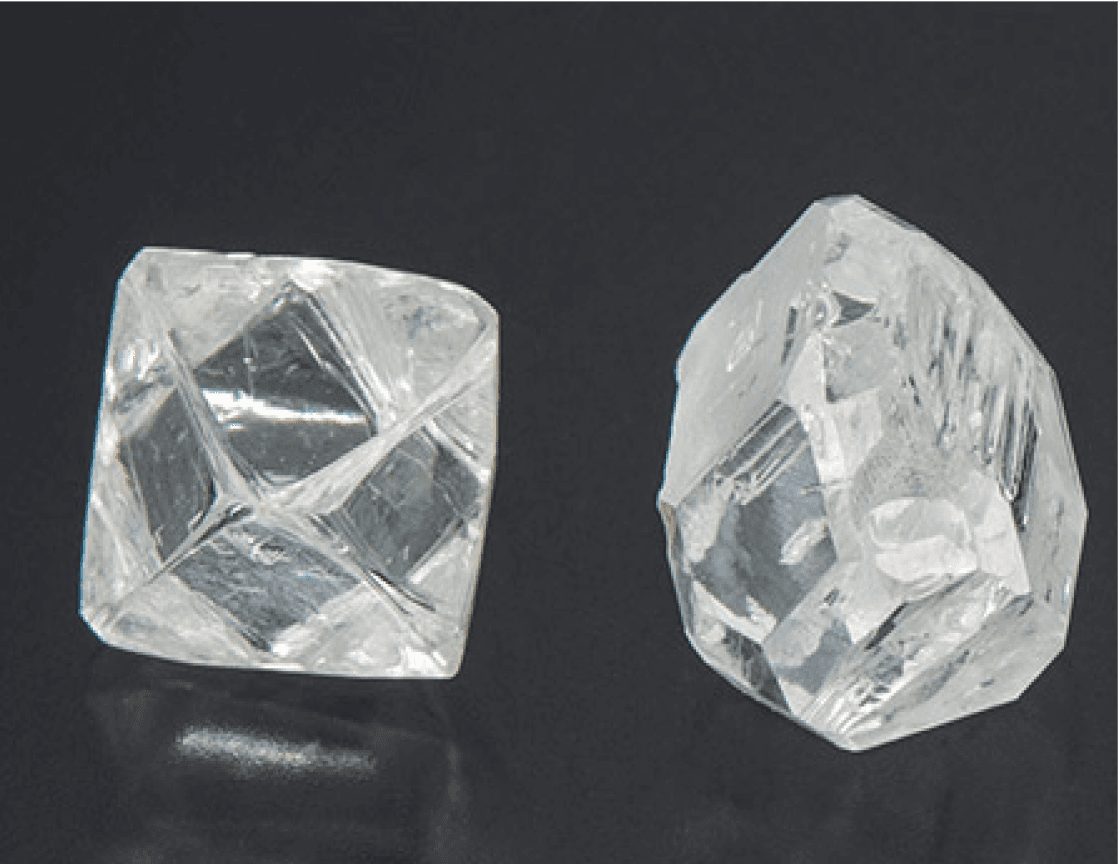
The first process is called Chemical Vapor Deposition (CVD). A “seed crystal,” which is a very small diamond seed, is placed in a small chamber. The chamber is then filled with gases that are heated. Once the gases reach the right temperature, layers of carbon begin to form on the seed crystal. This causes the seed to grow and create a square-shaped diamond crystal.
High Pressure High Temperature Diamonds
The second process is called High Pressure High Temperature (HPHT) . This is meant to replicate the earth’s process of forming Natural Diamonds. In this process, natural graphite is placed in a large machine that crushes it with extreme pressure and temperatures. Under these conditions, the graphite turns into a diamond.
What is the Difference Between CVD and HPHT Diamonds?
You cannot tell the difference between a CVD and HPHT diamond with the naked eye. Both methods create a real diamond that is chemically and physically similar to natural diamonds. When it comes to grading Lab Grown Diamonds, the same 4 Cs: Color, Cut, Clarity and Carat are applied.
Are Lab Grown Diamonds Good?
Generally speaking, the answer is Yes. A perfectly cut, internally flawless diamond is quite expensive and rare whether it is a Lab Grown Diamond or a Natural Diamond. Lab Grown Diamonds and Natural Diamonds exhibit varying amounts of internal “inclusions” likened to fingerprints and are referenced and graded accordingly by accredited gemological labs. Lower clarity graded Lab Grown or Natural Diamonds may have inclusions that can be seen by the “naked eye”. The cut & color is also very important in determining whether a diamond is excellent, very good, good, or poor.
Pros of Buying a Lab Grown Diamond
Lab Grown Diamonds are approximately 30-50% less than a Natural Diamond, which means you can purchase a significantly larger diamond and truthfully say it is a diamond. The difference cannot be detected with the naked eye when comparing a Lab Grown Diamond and a Natural Diamond of equal characteristics of the 4 C’s. Lab Grown Diamonds have the same physical and chemical properties as Natural Diamonds so they will be just as dazzling.
Are Lab Grown Diamonds more ethical? Some think Lab Grown Diamonds are more ethical because there is no mining involved. However, The Kimberley Process put in place in 2003, has successfully prevented the flow of conflict diamonds.
If your emphasis is not focused primarily on the resale value of the diamond, a Lab Grown Diamond is a good alternative to purchasing a more expensive Natural Diamond. To put it simply, you’ll get more bang for your buck.
Cons of Buying a Lab Grown Diamond
A Natural Diamond has a rarity factor. Generally speaking, a natural diamond will hold its value better than a lab grown diamond because there is a finite supply. The basic laws of supply and demand maintain that as demand increases, especially with limited supply, value goes up. Grown Diamonds can be produced, they might not hold their value over time which means the resale prices could continue to depreciate as the market is flooded.
A Lab Grown Diamond circumvents the environmental and ethical issues that come with mining Natural Diamonds, but there are sustainability issues with Lab Grown Diamonds as well. An HPHT processed diamond needs huge amounts of energy due to the high heat required to produce a diamond. The CVD method requires the same amount of energy needed to power a home for a month.
GIA Certified Lab Created Diamonds
The Gemological Institute of America (GIA) is renowned worldwide for its meticulous and comprehensive certification process for diamonds. Since a Lab Grown Diamond is the same chemically as a natural Diamond, they come with this certification. GIA-certified diamonds are highly sought after in the jewelry industry, representing a commitment to excellence and accuracy in diamond grading.
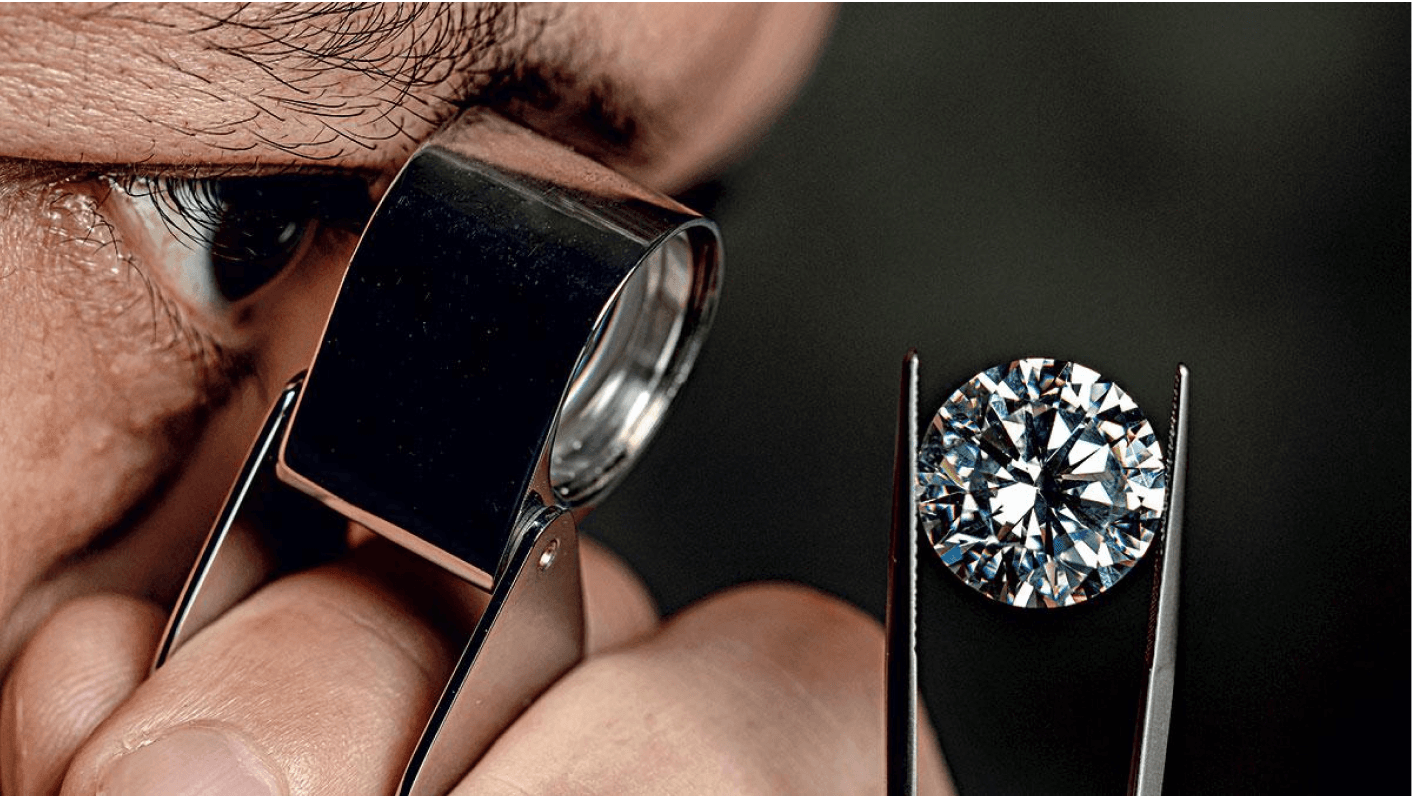
The GIA certification of lab-grown diamonds begins with the submission of the stone, followed by a rigorous examination by skilled gemologists. They assess the diamond's physical attributes, including carat weight, color, clarity, and cut, utilizing specialized instruments to ensure precision.
By offering a comprehensive certification for lab-grown diamonds, GIA enables consumers to make informed choices and fosters confidence in the authenticity and quality of these sustainable and ethical alternatives to mined diamonds.
Should I Get a Lab Grown Diamond Engagement Ring?
There is no right or wrong answer when it comes to choosing between a Lab Grown Diamond and a Natural Diamond. The choice is completely up to you. The most popular items to take into consideration when making the choice include your budget, your significant other’s preference, and whether or not you prioritize resale value. Also if you are interested in color gem stone engagement rings, then visit our Custom Sapphire, Emerald & Ruby Engagement Rings page.
Answers to your questions