


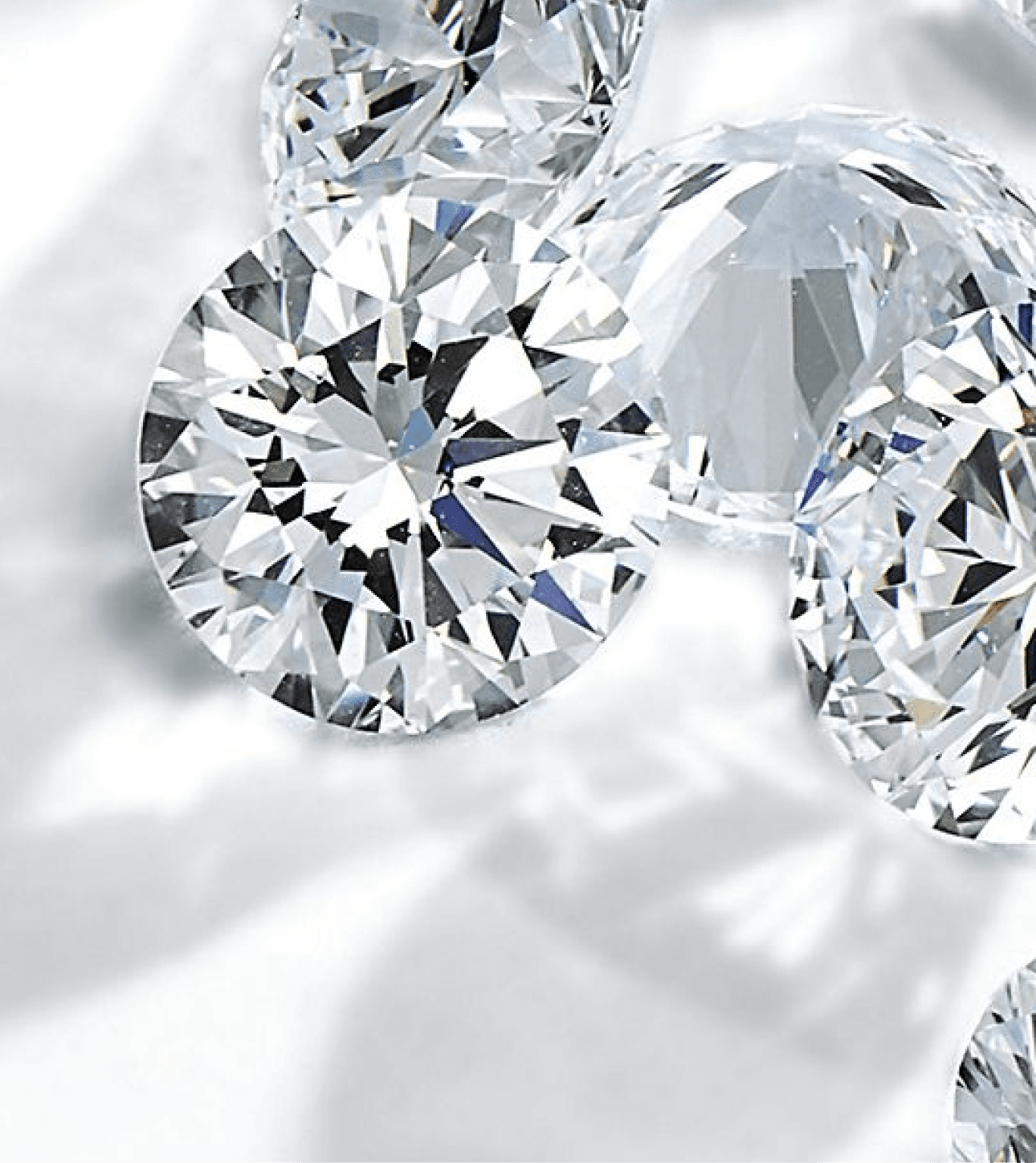
Diamond Guide
This guide explores how to assess diamond grades according to the industry standards in cut, color, clarity, and carat.
What is a Diamond?
Over a billion years ago, deep beneath the Earth's surface, carbon atoms bonded tightly under high temperatures and extreme pressure, resulting in the world's hardest natural mineral: diamond.
Hidden for millions of years, diamonds only reached the Earth's surface after volcanic activity transported them upward in magma. Then, in the 4th Century BC, the first diamonds were found in India. Today, as they have been for centuries, diamonds are one of the most beautiful and coveted objects on Earth.
The Joyera Box Difference
From the day we were founded in 2005, we've set out to revolutionize the diamond industry. So, we pioneered a new standard with Beyond Conflict Free™ Diamonds that surpasses the Kimberley Process to provide our customers with truly ethical, sustainable, and stunning diamonds. We are committed to continually transforming the industry for good: we know where our diamonds come from and share that information with you — so you can feel good about the jewelry you're wearing.
Types of Diamond
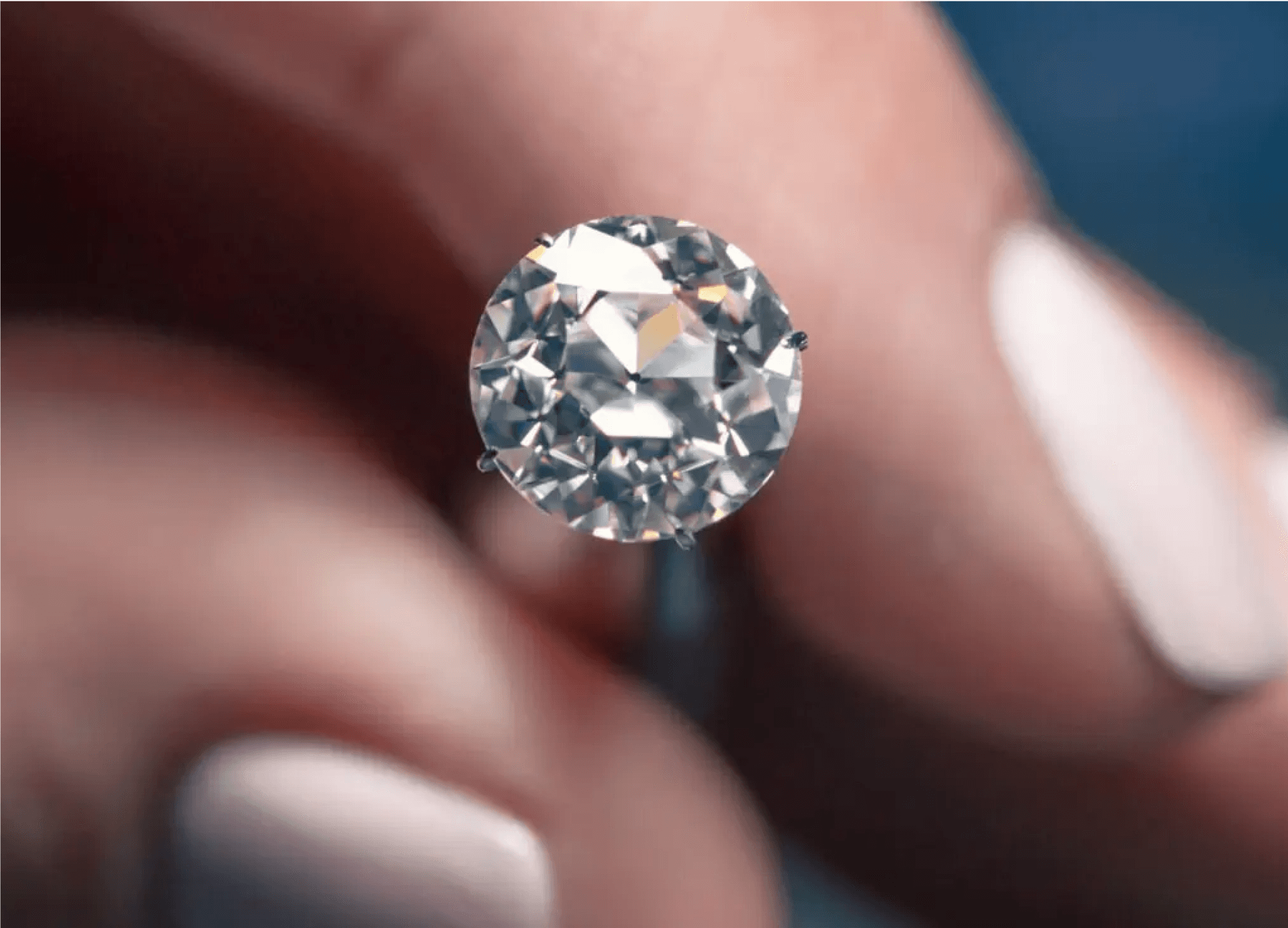
Natural Diamonds
Natural diamonds form deep within the Earth under extreme conditions of heat and pressure. They are comprised of nearly 99.95% carbon, with the other 0.05% reflecting trace elements that aren't part of their essential chemistry — making diamond the only gemstone constructed of a single element. They are the hardest naturally occurring material found on Earth and one of the most sought-after.
Lab Diamonds
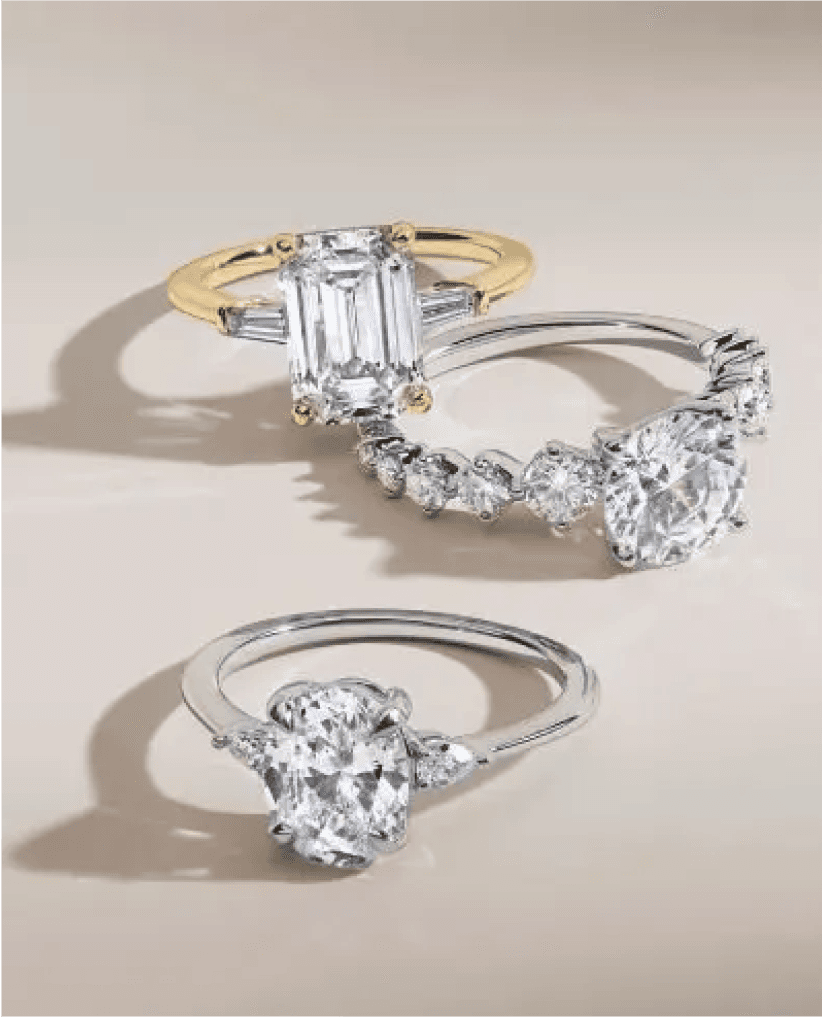
Lab diamonds are optically, chemically, and physically the same as natural diamonds. In other words, they look, feel, and are identical. Their difference lies only in their origins — natural diamonds form within the Earth, and lab diamonds are grown by professionals with specialized equipment. Another difference relates to cost; as lab grown diamonds are less rare than natural diamonds, they often come at a much more accessible price.
4 C's of Diamonds
If you're wondering what to look for in a diamond, the best place to begin is by understanding the 4 C's: cut, color, clarity, and carat. Created by the Gemological Institute of America (GIA) in the 1940s, the 4 C's act as a universal scale to describe and determine the quality of diamonds.
Carat
Carat is a measurement unit that describes a diamond's weight, not its size. One carat is roughly the weight of a paperclip.

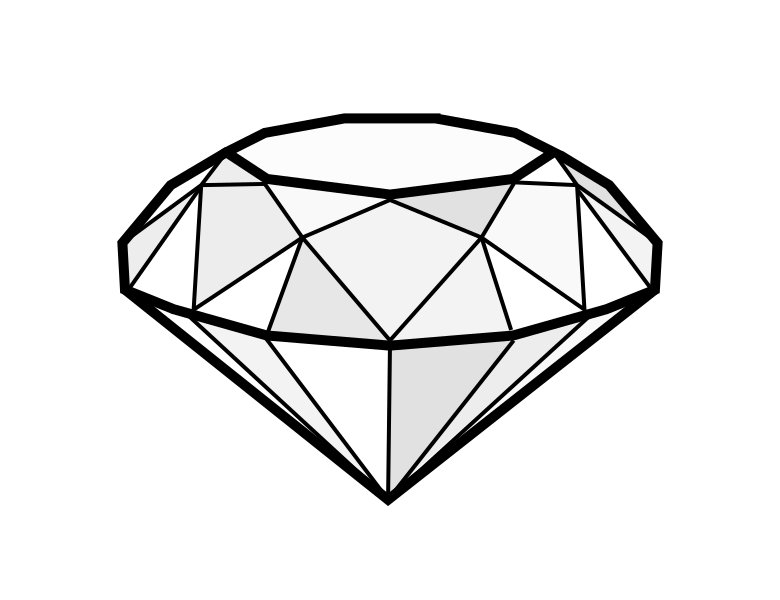

color
These slightly tinted diamonds are nearly colorless, especially when set in rose and yellow gold.
Color
Color references the absence of color within a diamond. The scale ranges from D (colorless) to Z. Diamonds outside this range are considered 'fancy colored.'
Clarity
Clarity references the absence of internal inclusions and surface blemishes on a diamond. The scale ranges from Internally Flawless to Included.
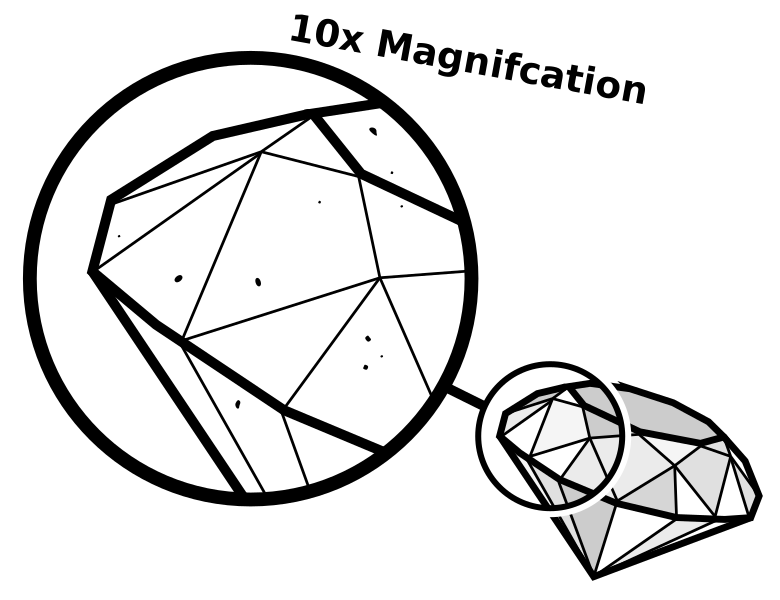
clarity
Flawless. The diamond is flawless. Stones like this are extremely rare, expensive, and difficult to buy.
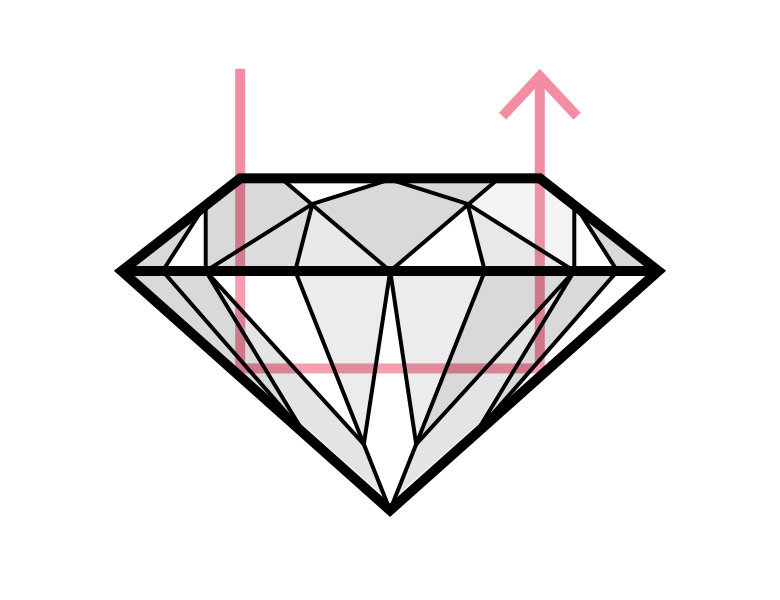
cut
Incredible fire, brilliance, and diamond anatomy.
Cut
Cut is the proportion and arrangement of facets that determine a diamond's brilliance, sparkle, and fire. The scale ranges from Excellent to Poor.
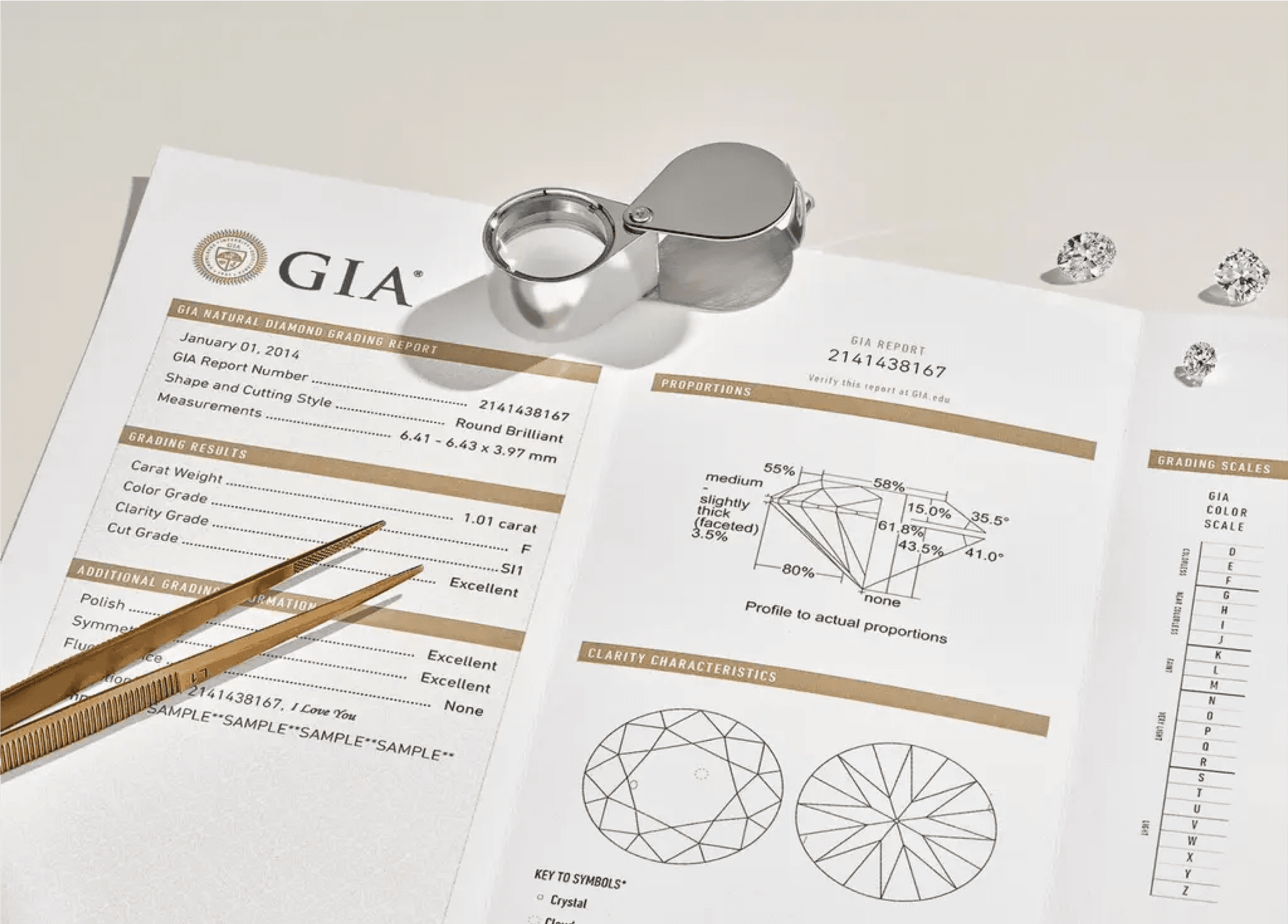
Diamond Certification
Many diamonds, including all Joyera diamonds, are certified by independent institutions such as the Gemological Institute of America (GIA), the International Gemological Institute (IGI), HRD Antwerp, and the Gem Certification & Assurance Lab (GCAL). To grade a diamond, trained professionals use specialized equipment to assess cut, color, clarity, and carat. They may also plot a diagram of its clarity characteristics and graphic representation of its proportions. Certifications may also include notes on symmetry, polish, fluorescence, shape, or measurements.
How to Buy Diamonds
When deciding on your dream diamond, it's essential to do the following:
1. Study up on the 4 C's. To find the best diamond for you, learn to balance the 4 C's with your budget. If you're looking for a high-carat stone, you may have to sacrifice cut, color, or clarity to keep it affordable. Or vice versa, if you're looking for a colorless stone, you may have to sacrifice carat, cut, or clarity. And remember, no two diamonds are identical, and there's no right answer to how a diamond should look.
2. Pick your favorite shape. While round brilliant diamonds are the most popular, remember that there are many other shapes to choose from. Here at Brilliant Earth, we offer eight shapes in addition to round: Oval , Cushion , Princess , Radiant , Emerald , Marquise , Pear , and Asscher.
3. Make sure that it's certified. Your diamond must come with a digital or physical certification from an independent institution such as GIA, IGI, HRD, or GCAL to prove its authenticity and quality. All Brilliant Earth diamonds are certified, and any other diamond you're considering purchasing should be, too.
At Brilliant Earth, we're proud to offer our customers an incredible assortment of sustainable and ethical diamonds — in all shapes and sizes — so we suggest using our filters to navigate our diamond searches best. Once you've determined the shape and 4 C's you're hoping for, filter away to narrow it down to the perfect piece.
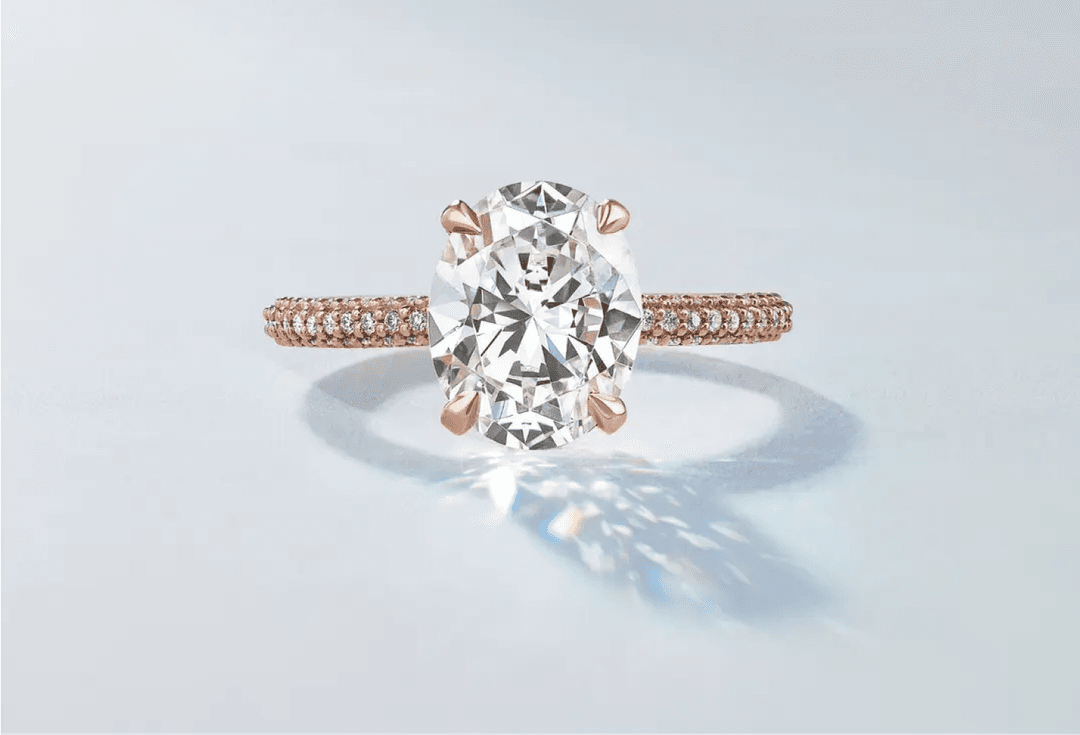
Diamond Hardness
Diamond is the hardest naturally occurring mineral found on Earth. It is so hard that it ranks at the highest hardness level (a 10) on the Mohs scale, a rating system developed in 1822. The hardness of a diamond signifies its resistance to scratching — and it's true that only a diamond can scratch a diamond. Therefore, diamonds are ideal for everyday wear, making them perfect as center stones in jewelry as well as engagement rings.
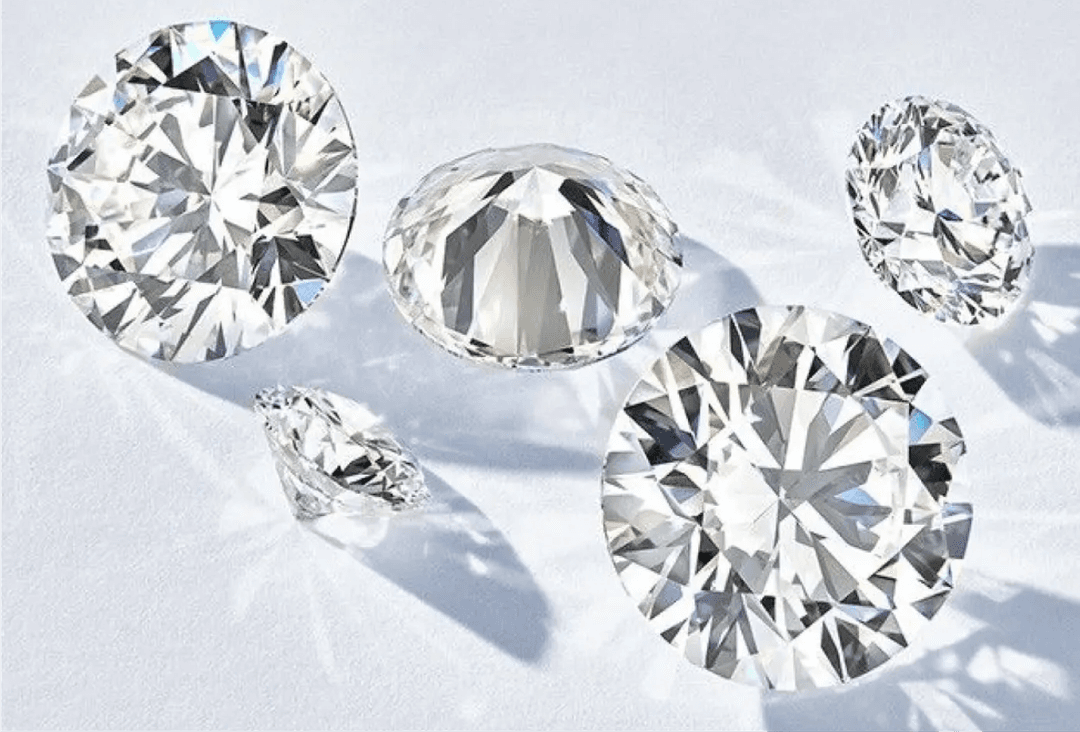
Diamond Fluorescence
Diamond fluorescence refers to the effect that ultraviolet (UV) light has on a diamond. It is graded on the intensity of the diamond's reaction to long-wave UV, which is an integral part of daylight. Fluorescence may cause diamonds to emit a blue or yellow glow under UV light, but it does not have a noticeable effect on diamond appearance under regular lighting, nor does it affect the structural integrity of the stone.
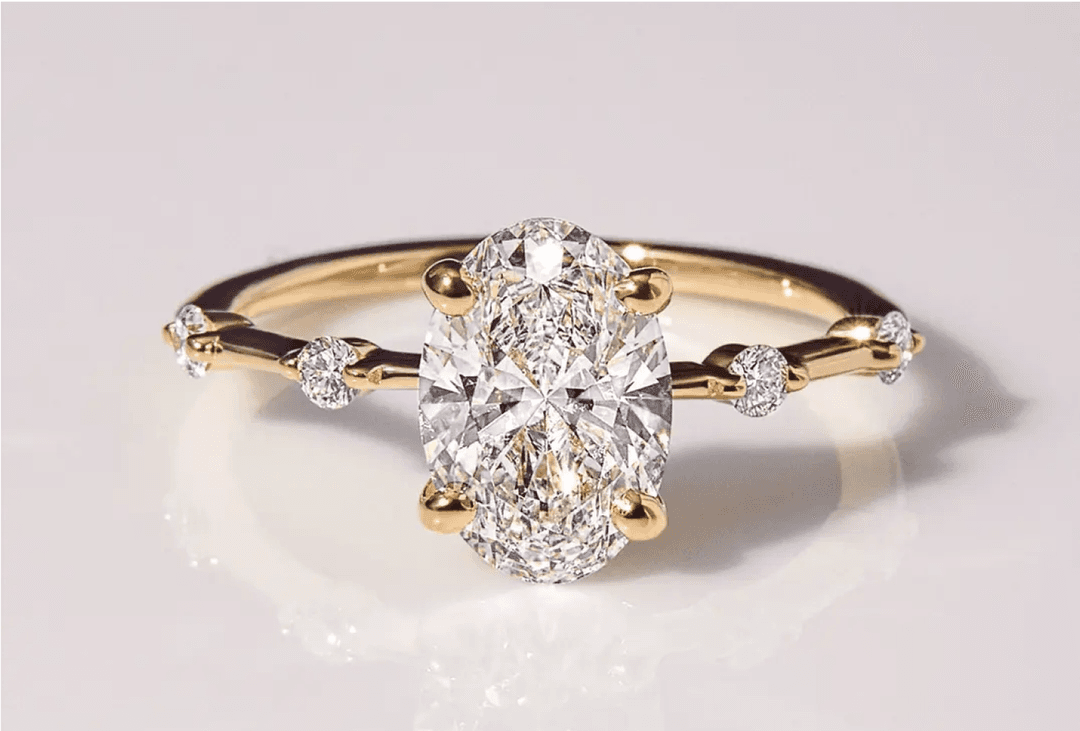
Diamond Price
Diamond price varies greatly depending on rarity and quality. Diamonds with higher grades in cut, color, or clarity, or diamonds with a larger carat weight, are rarer and therefore more expensive than those with lower grades or carat weights. Lab grown diamonds are less rare than natural diamonds found in the Earth and are therefore less expensive.
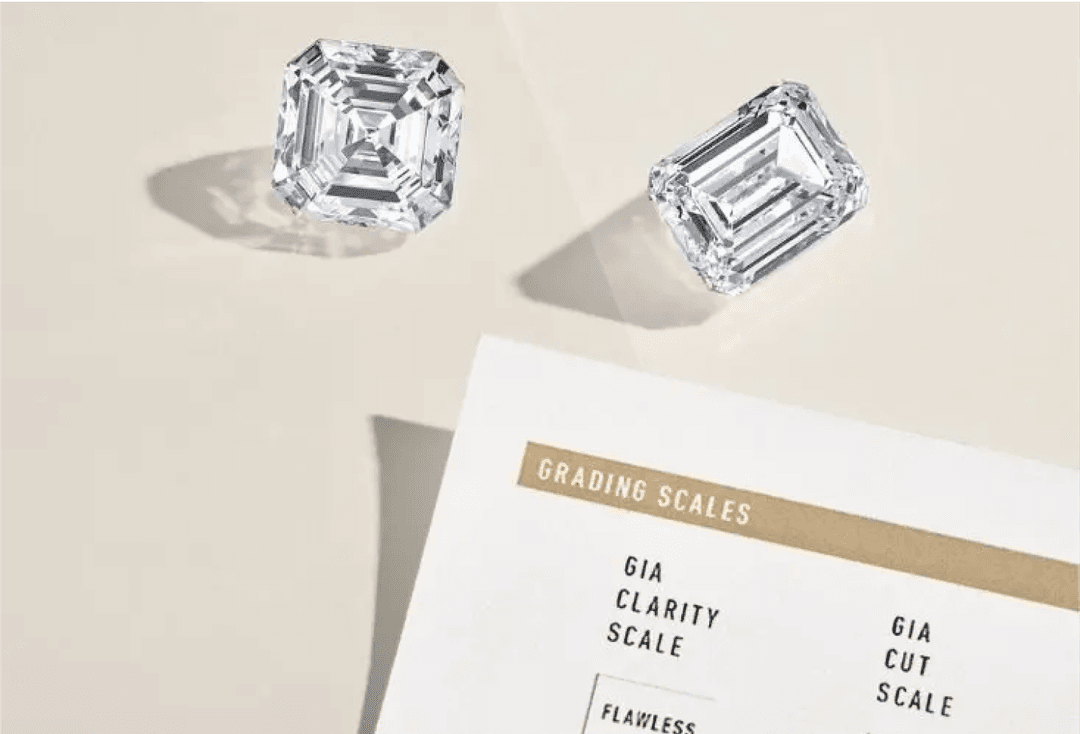
Diamond Grading Scale
Diamonds are graded on a scale developed by the Gemological Institute of America (GIA) that analyzes cut, color, clarity, and carat. These 4 C's are universally acknowledged as the accepted standard in describing and determining the quality of any diamond.
Diamond Facts
1. The word diamond derives from the Greek "adamas." which means invincible or indestructible.
2. The Cullinan Heritage Diamond is an egg-sized stone and the biggest diamond ever discovered in a rough, uncut form. Originally weighing 3,106 carats, it was eventually cut into nine stones, including a 530 carat and a 317 carat. Both are now part of the Crown Jewels in the United Kingdom.
3. The first known engagement ring is from 1477, when Archduke Maximillian of Austria proposed to Mary of Burgundy with a gold ring featuring an M spelled in diamonds.
4. The worlds rarest diamonds are natural diamonds of a red or orange color.
5. The Hope Diamond, a 44.52-carat blue diamond, is the largest of its kind and is said to be cursed. Originally 115 carats and of Indian origin, it was stolen by a merchant who recut it after taking it from the eye of a Hindu statue, incurring the wrath of the priests who then allegedly cursed it.
6. Scientists have discovered a star fifty light years from Earth that's comprised of a ten billion-trillion-trillion-carat diamond. They named it Lucy (fitting, as it's in the sky with diamonds).
Answers to your questions